


A sweet little how-to guide to getting started in the magical world of beekeeping
So you want to be a beekeeper…
First and foremost: my best advice is to use your best judgement and utilize the resources available to you! These tips and bits of knowledge that we have to offer have helped us in our process, but they may not work or be helpful to everyone or every situation.
We jumped into beekeeping both headfirst and by the seat of our pants – both at the same time. Deciding to get bees after thinking long and hard for 5 minutes (me, not Eric) was the best decision we made, but was not without its struggles. We learned a lot about bees, each other, and ourselves in this process and would love nothing more than to share a few of our lessons with other like-minded apiary-inclined individuals. So please, use this guide to help get your bee-dance going!
Where do you even begin?
step one: find a location
Here’s a friendly hint: you cannot be a beekeeper if you don’t have anywhere to put the bees. Make sure you have a space for your hive(s)! While our city is great and allows urban beehives, there are many areas with restrictions on apiarists and you should be aware of those before proceeding. If you can’t keep them where you live, find a location where you can. Utilize friends with land or more rural homes, ask a farmer, whatever resource may be available to you…it doesn’t hurt to ask! Just don’t plan to put your hive somewhere where you don’t have permission. That does not bode well for you or your bees.
If you decided your hive home will be in a more urban area, let your neighbors know your game plan. Don’t be an unfavorable human and surprise your fellow suburban friends (who may have an allergy)…let them know in advance that you’ve got thousands of bugs coming to live with you. It’s just the polite thing to do.
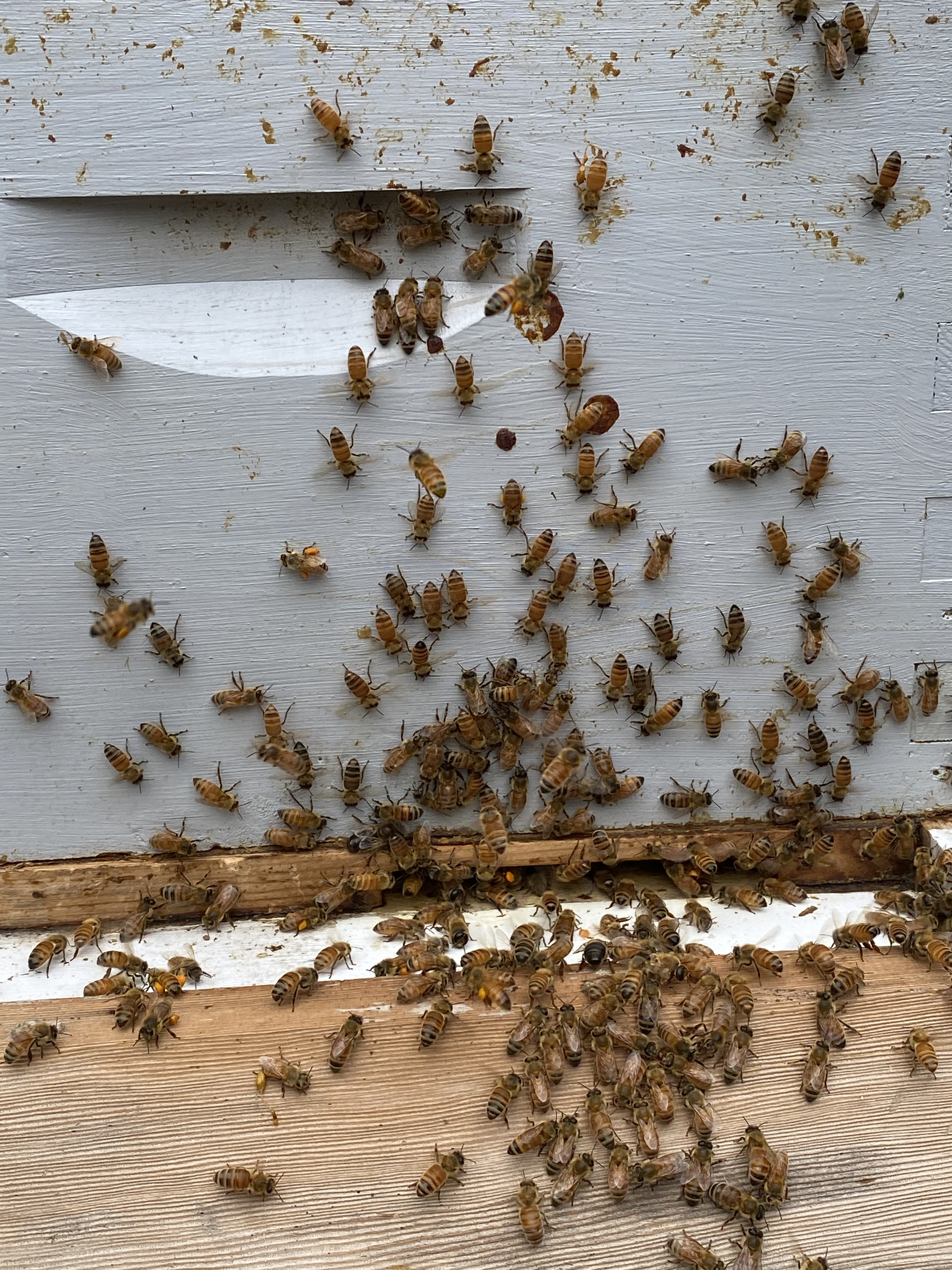
Placing your hive is more than just having land. It’s important to have a spot with a bit of room around it so the bees can easily come and go with room to maneuver in the area. Some buffer from the elements is recommended but not required, depending on your location. There are many hives that do well in the middle of a field, but if you have more seasons that summer you should be mindful of snow drifts, wind gusts, and the like. We keep our primary hive south-facing, backed up against our shed to minimize wind gusts and give them the most easy access to the hive entrance. Our secondary hive (this one has been empty unless we catch a swarm) is west-facing and backs into a corner of our shed and fence. Our area has a pretty mild climate overall, but we do get some significant temperature swings so this placement has worked well for us so far.
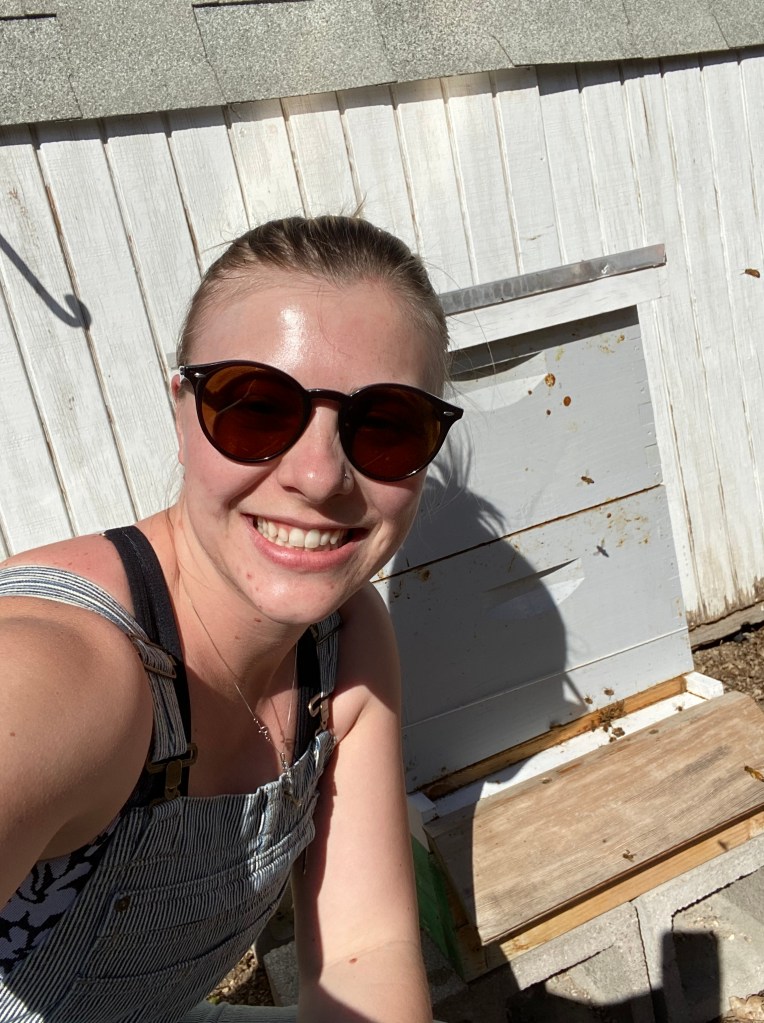
Once you’ve found a place to keep your hive legally and settled your hive placement, you can get down to business!
Step two: Take a class
This was the best thing we could have done when getting started! We connected with our local honey/beekeeping supply store which offered classes for beginner beekeepers. It cost us half a Saturday and a small amount of money, but we gained so much insight and knowledge!
The class we participated in covered everything from recommended supplies, monitoring for pests, anatomy of a hive, hive inspection ins and outs, and even a live hive inspection! It was the BEST and I could not recommend an experience like this more! Plus, you’re supporting local small businesses so what’s not to love?
For reference, you can use this link to see what our local bee store offers for the beginner class!
Step three: order your bees
While we order our bees from our local bee store, there are other options including direct from colony “breeders”, large beekeeping businesses (ex. Mann Lake), swarm catching (although I wouldn’t recommend this if you don’t know what you’re doing). Once you know where you are getting your bees from, you need to decide 1. how many hives you want to maintain and 2. what type of honey bee you want.
For first timers who aren’t sure about the time commitment or process I highly recommend starting with a single hive, or two at the most. Once you become more acquainted with the process and time it takes to maintain a colony, or if time is not a concern to you, get as many hives as you can handle!
More information about the different honey bee breeds can be found at my blogpost here (coming soon!). There is no right or wrong answer when it comes to bee breeds – we started with Italian bees and have had great luck with them. We’ve also had Carnolians and they’ve been great as well. We’ve collected swarms of mystery origin and had no complaints. Really, the bees you choose will be the right bees for you!
Step four: Gather your supplies
For simplicity’s sake, I’m going to list the basic necessities required for beekeeping. Items not listed here could absolutely be considered, we’ve just never found them necessary in our beekeeping journey.
- Hive Structure
- 2 deep boxes and frames
- 1 medium or shallow box and frames
- Bottom board
- Inner cover
- Telescoping cover
- Hive entrance reducer
- Queen excluder
- Hive stand (anything to keep the hive off the ground – we use cinder blocks)
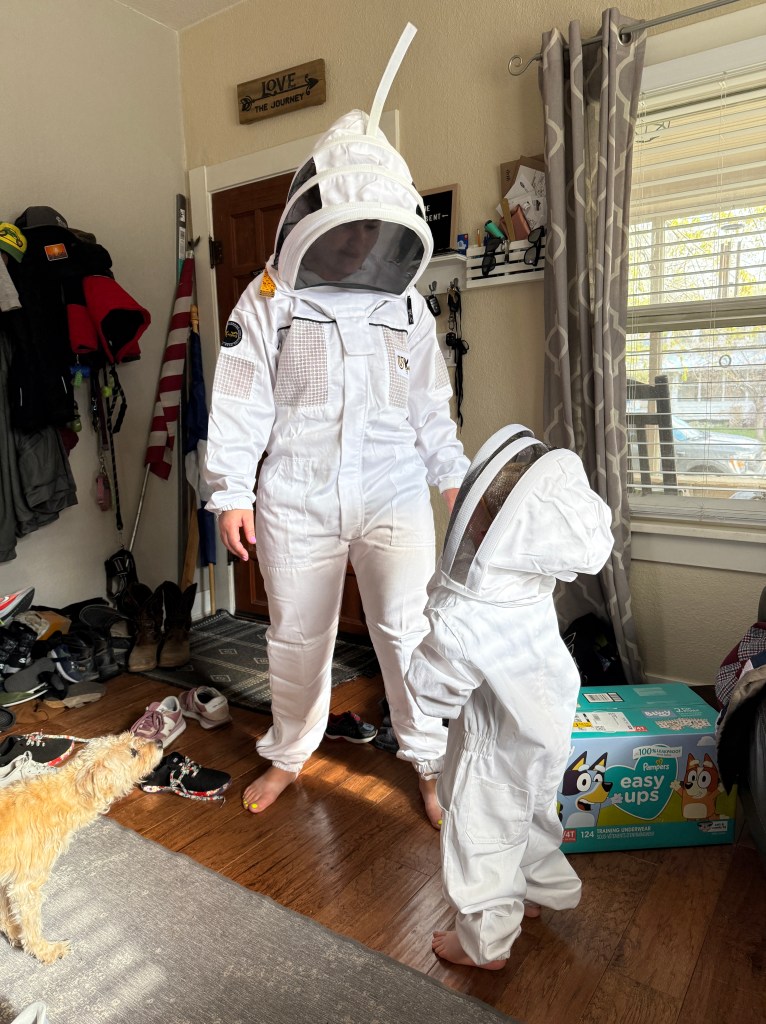
- Beekeeping suit/jacket, hood, and gloves, boots to tuck light-colored pants into
- Beekeeping tool
- Smoker with fuel (wood chips, discarded burlap sacks, pellets, etc)
Do not wait until your bees arrive to assemble your hive! Get those frames put together asap and use basic exterior light-colored paint to paint the hive boxes. To install your colony, you will likely only start with one deep box so, at the very least, get that put together.
Once you are in a place to harvest honey, honey extracting equipment is often available to rent. While you could purchase these outright, I recommend waiting on this until you’re certain you will use it again.
Step five: Install your bees
Bee packages are delivered in 3-pound boxes. The package will contain a small separate cage which houses the queen, a can that contains sugar water for the bees to eat while they are in-transit, and a shit-ton of honey bees encased in a screened-in box. The goal of these packages is to expose the honey bees to the pheromones of the queen nestled in the box. The constant exposure will hopefully bond the bees to her and upon installation, they will work to free her and establish their colony in their new home. You can read more details about the steps of installing a colony here (coming soon!).
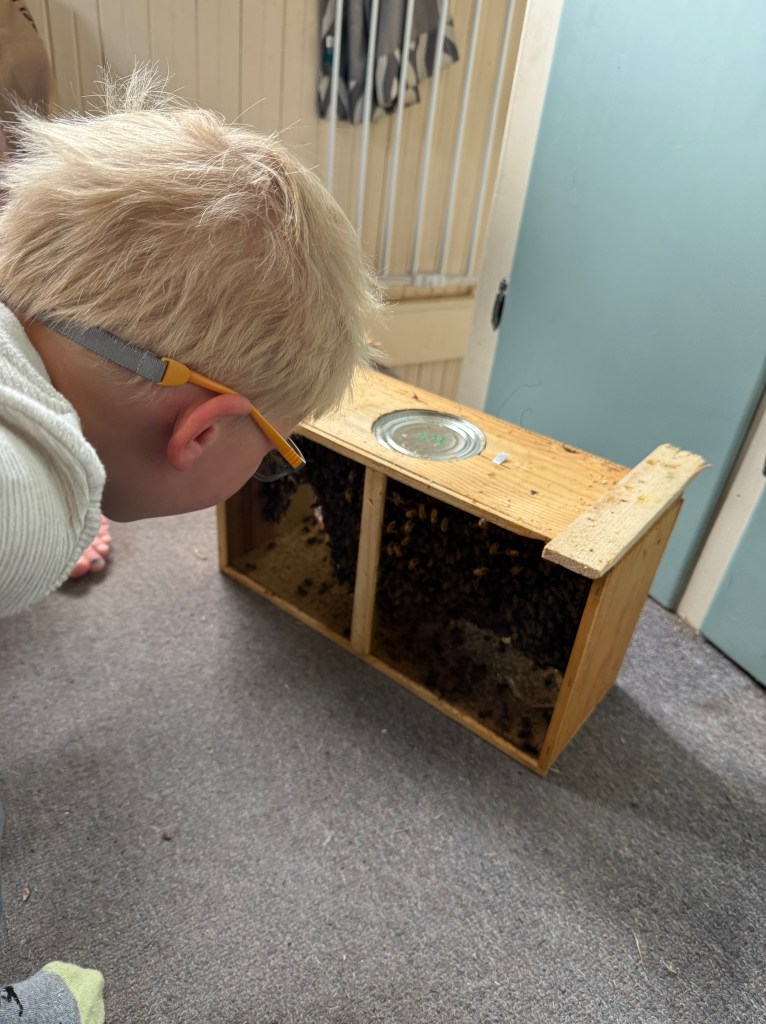
A very important thing to note is that often these packages are MAILED. Yep. Through the post office. A great conversation starter, but be prepared to answer many questions from the postal workers about why they are “risking their lives” (ok if they’re allergic then they should not handle the bees). Anyways, it’s wild.
Another method of delivery is mass orders through other shops. We order our bees through our local bee store and they have a single mass delivery once per year. We have to make sure we schedule a pickup time and communicate our needs effectively when ordering so we get the right package, but they are true professionals and make it really easy.
Just make sure you know how and when your bees will be arriving.
Okay, you’ve got bees. Now what?
You get to decide how to nurture your bees! What is your goal? Honey production? Pollinating an orchard? Keep them alive for natural bee activities?
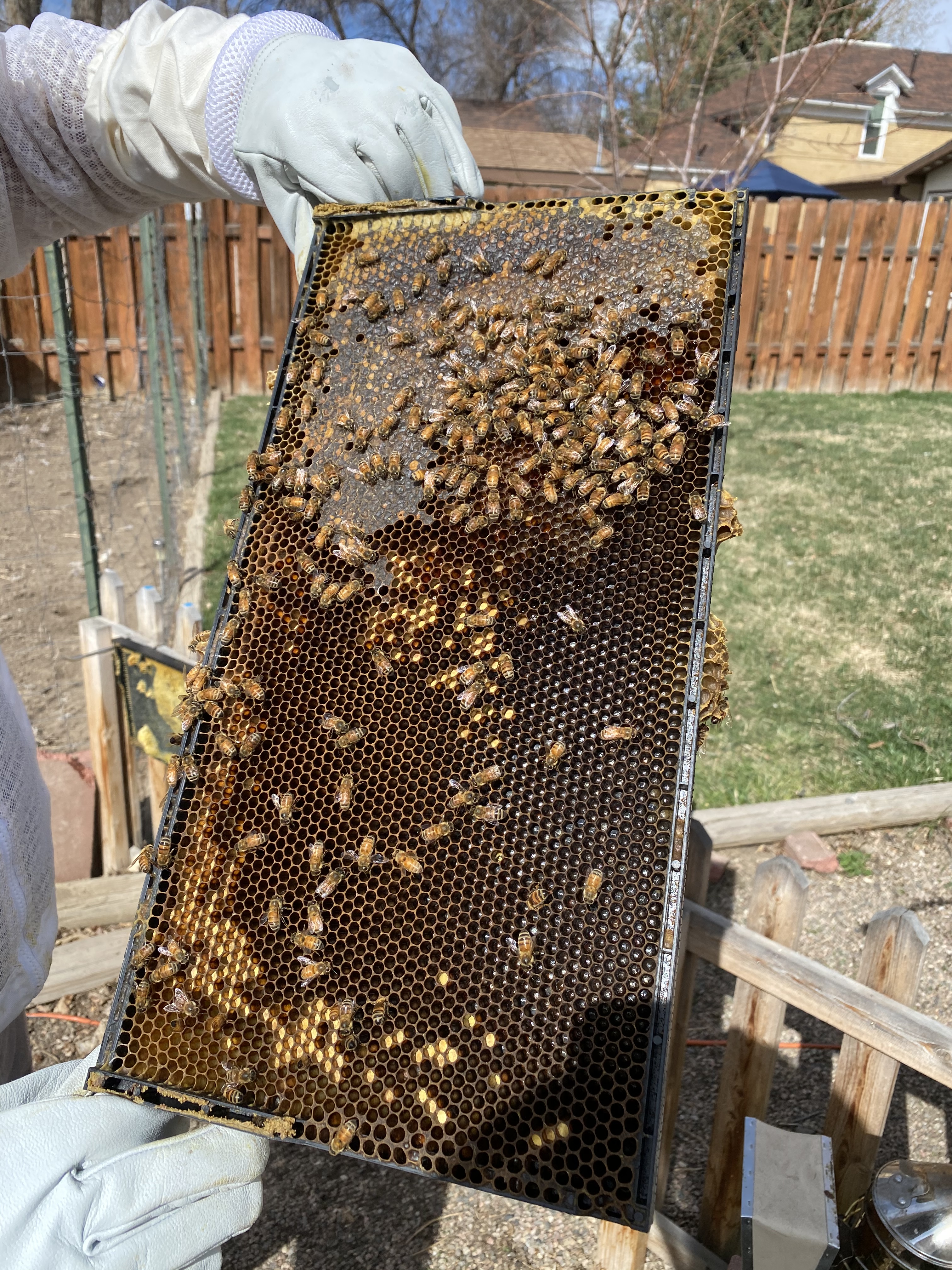
Our primary goal is to maintain a healthy colony, and to reap any excess honey benefits in the process. We make sure to do routine checks to ensure the colony is thriving and the queen is laying effectively. We watch for signs of mite infestation, swarm signs, signs of an unhappy colony, and brood health. Once the colony is stable and is on its way to make enough honey to support itself through the winter months, we move forward with adding a honey super. We only collect excess because the colony health is our priority. That being said, the first time we harvested honey we extracted 33 pounds (3 gallons) of honey! How sweet! (ew that was a gross pun and I didn’t like it).
Whatever your beekeeping goals are, do what is best for the colony always. Yes they are natural creatures doing a natural thing but they are in an unnatural habitat and are relying on the beekeeper to maintain the symbiosis that has been fostered.
Beekeeping is such an incredible hobby and the more people to become involved in this activity the better!

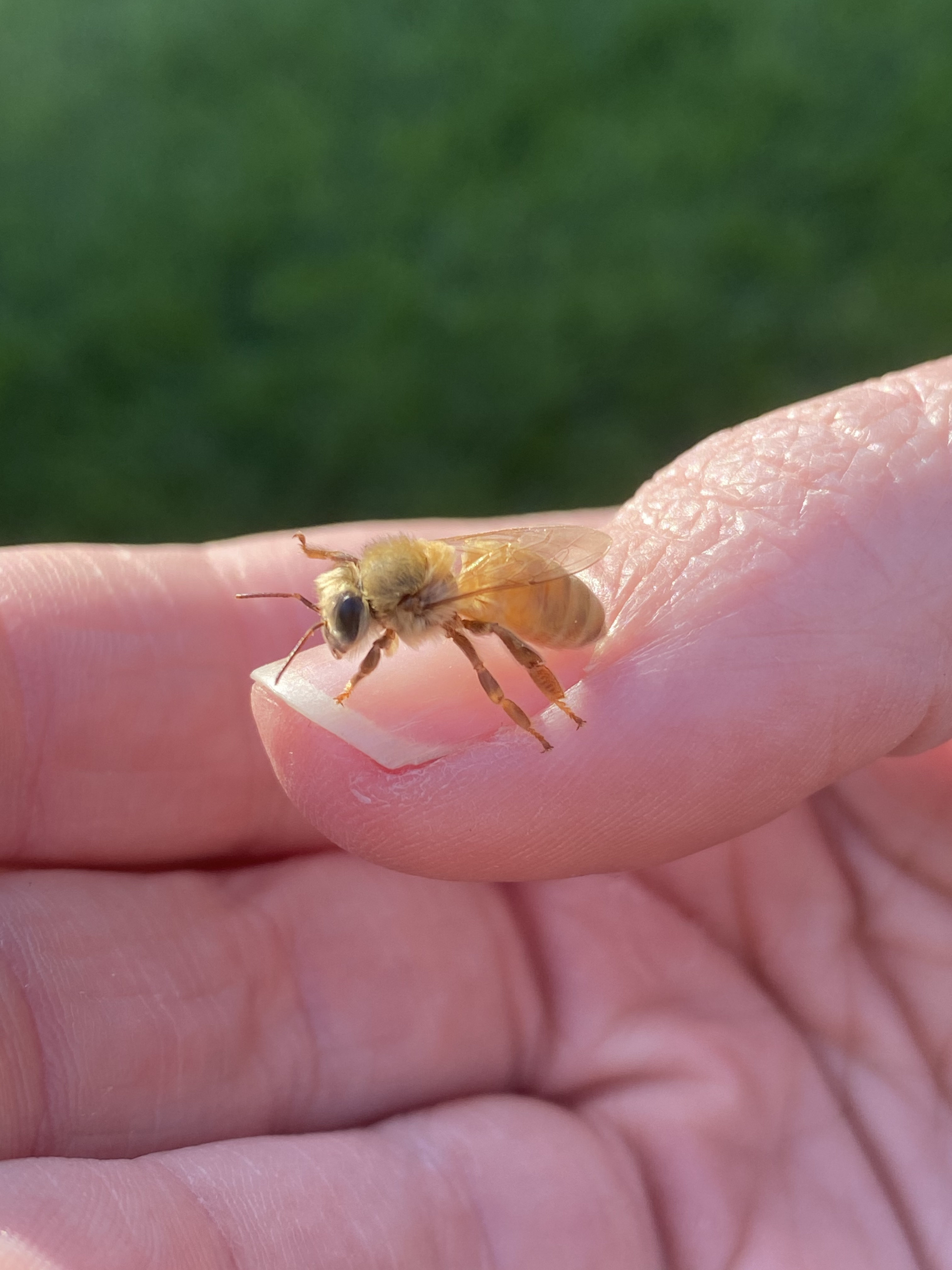



 The LoCo Funny Farm
Leave a comment